FIELD REVIEW / Roguelike
Hades II
A substantial action sequel that builds meaningful variation around witchcraft and repeated attempts.
Game facts
- Developer
- Supergiant Games
- Publisher
- Supergiant Games
- Released
- 25 September 2025
- Platforms
- Windows · macOS (Steam edition)
- Model
- Paid game
- PEGI
- 12 — Nintendo Switch edition; not a separate PC classification
- Players
- Single-player
- Length
- Long
- Difficulty
- 4 / 5 · Challenging
- Steam Deck
- Verified
PEGI source ↗ · Steam Deck status source ↗
Edition: Base game
The score, explained
The interest and responsiveness of the core decisions and actions.
How progression, exploration and goals fit together.
The coherence of the visual, musical and narrative presentation.
How clearly the game explains its rules and offers useful ways to engage.
The depth of optional goals, alternative approaches and reasons to return.
Witchcraft changes the next attempt
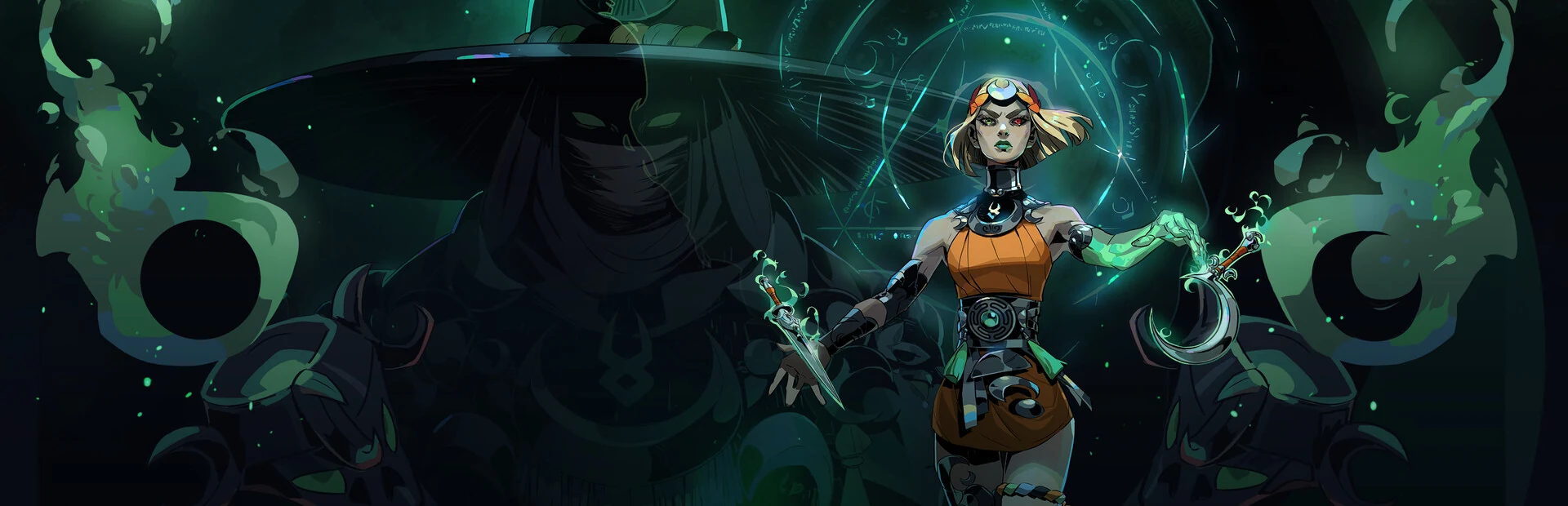
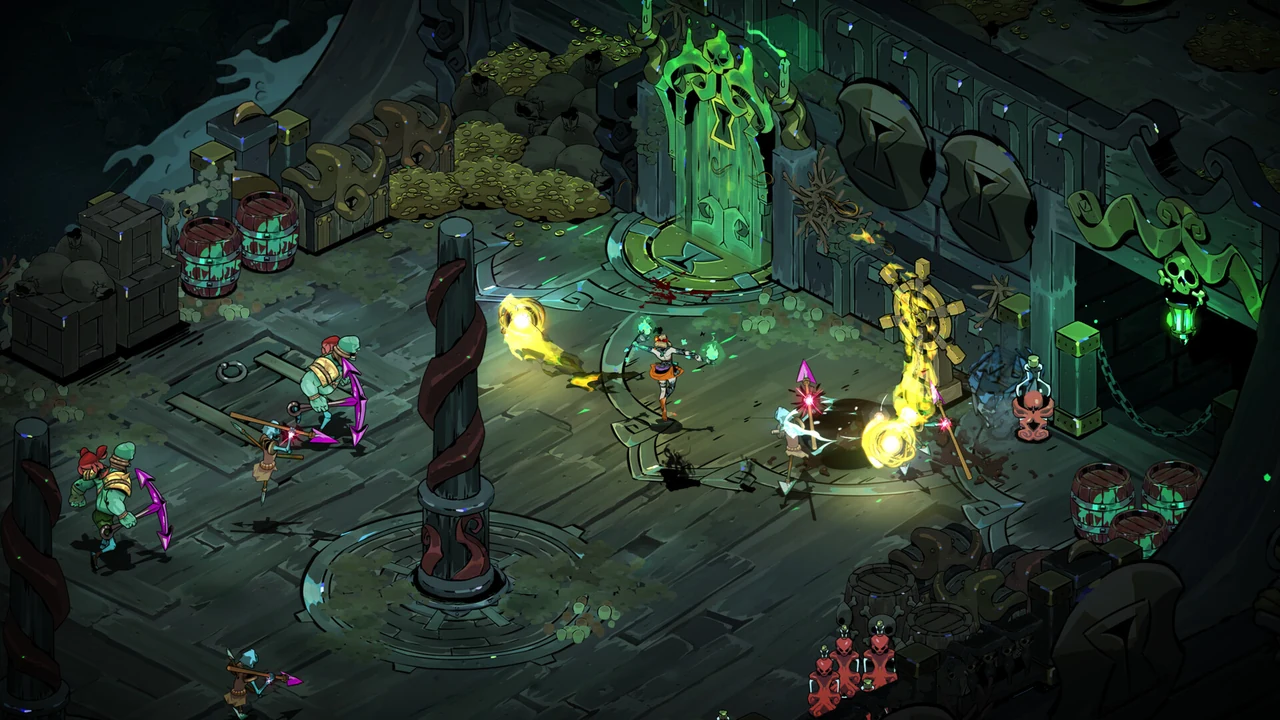
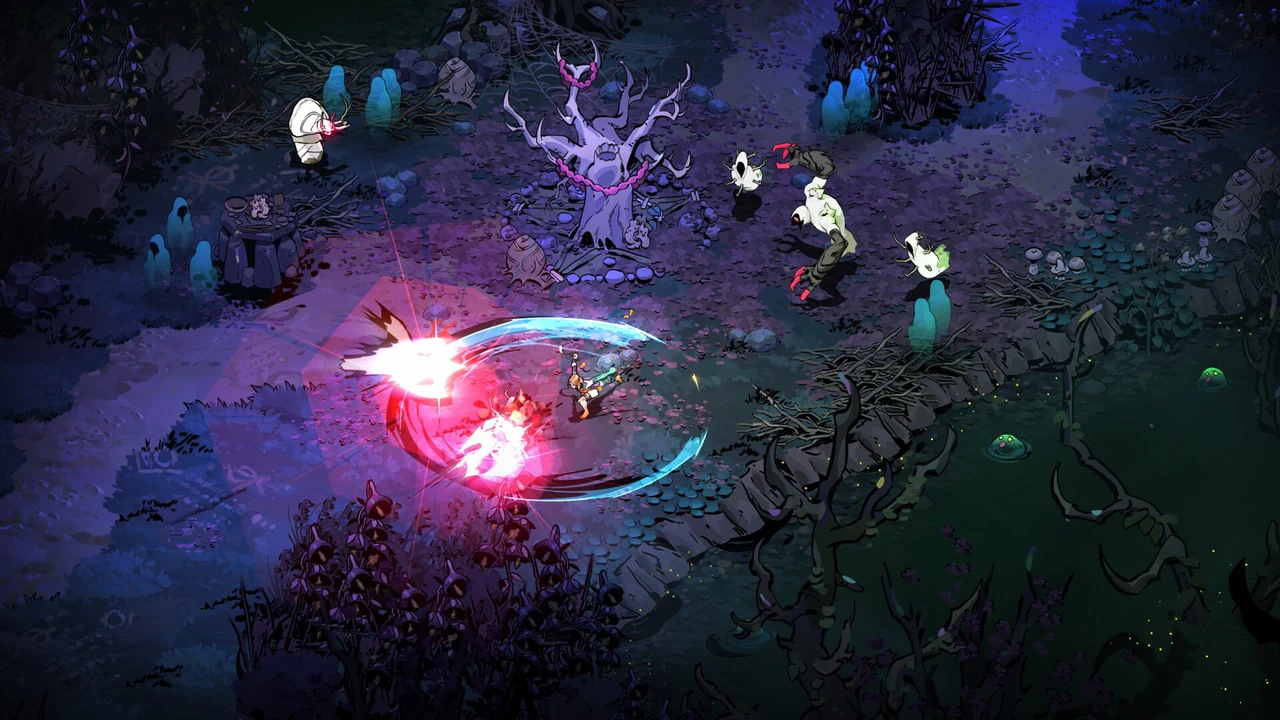
Hades II places Melinoe's witchcraft at the centre of repeated battles against the forces of the Titan of Time. Weapons and divine boons provide different combinations, while the published design includes magical tools, familiars and further systems for developing the character. The strongest element is the relationship between a familiar action loop and decisions that can make the next run meaningfully different. The recommendation assumes an appetite for repetition, however. This is not a game where one uninterrupted journey reveals everything in order. Players who want their progress to survive every encounter without interruption may find its structure frustrating, while those who enjoy revising a plan after a setback have a clear reason to investigate.
A story built to survive setbacks
The game makes continuing character interactions and persistent upgrades part of the journey between runs. Failure can therefore change what happens next without being the end of the larger story. This works because it gives repeated action a narrative context and more than one kind of progress. Conversations at the Crossroads give Melinoe a reason to return beyond purchasing another improvement, while the next descent allows a different weapon or boon combination to put earlier lessons into practice. The return of God Mode is also explicitly available, offering an option for players who want support while experiencing the adventure. That flexibility lets players adjust the support they receive while continuing to learn enemy patterns and build useful combat habits.
A recognisable style with its own subject
Hades II retains a strong mythological identity while using witchcraft and a different central character to establish its own emphasis. The artwork combines expressive figures with environments that make gods, ghosts and monsters feel like parts of the same world. Melinoe's cast and charged attacks connect the magical identity to the way a room is controlled. The quieter Crossroads then gives expressive characters a contrasting setting in which to develop their relationships between demanding encounters. The important aesthetic decision is whether this particular mixture of vivid characters, mythology and recurring conversation makes you want to return after the action has stopped. Melinoë's witchcraft gives the sequel its own identity rather than simply replacing the hero's portrait.
For players who enjoy making another plan
Hades II is a strong choice if another run means another opportunity to combine tools, pursue a character interaction or apply something learned from the last attempt. Its available build options and escalating challenges support a high reasons-to-return score. That does not mean repetition suits everyone, and an extensive upgrade system can become another commitment rather than a reward. The original Hades is the most useful comparison in this catalogue because its earlier cast and different combat options remain a distinct proposition. Choose the sequel when witchcraft and the new journey are the draw, rather than assuming newer automatically means preferable. The central question is whether revisiting the action under changing conditions is the kind of progress you enjoy. In our adaptive runs selection, Hades II earns its place because weapons and divine boons support varied combinations.
The verdict
A substantial action sequel that builds meaningful variation around witchcraft and repeated attempts.
Reasons to play
- Weapons and divine boons support varied combinations
- Persistent development gives failed runs continuing value
- Witchcraft gives the sequel its own mechanical and visual identity
Reasons to think twice
- Repeated attempts are essential to the structure
- Numerous upgrades and interactions require ongoing attention
See the game
Assist & accessibility
Parents’ guide
Players: Single-player. No in-game purchase marker in the checked Steam listing. Separate downloadable content may be sold.
Age classification: 12. Nintendo Switch edition; not a separate PC classification
A useful starting tip
Choose a small set of effects that work together rather than collecting boons solely because each looks strong in isolation.
A different direction
Compare this with Hades: Choose Hades for fast action runs, varied builds and a story that continues between attempts.
Official sources
Reviewed: November 2026
You might also like
 Sekiro: Shadows Die Twice - GOTY EditionRead review →
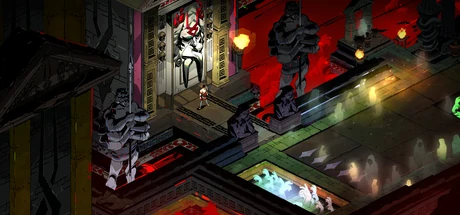 HadesRead review →
 CelesteRead review →