FIELD REVIEW / Platformer
Celeste
Choose Celeste for precise climbing and dash challenges, a focused story and extensive optional platforming tests. Choose this when precise movement, rather than combat, is the skill you want to develop.

Game facts
- Developer
- Maddy Makes Games Inc., Extremely OK Games, Ltd.
- Publisher
- Maddy Makes Games Inc.
- Released
- 25 January 2018
- Platforms
- Windows · macOS · Linux (Steam edition)
- Model
- Paid game
- PEGI
- 7 — Nintendo Switch edition; not a separate PC classification
- Players
- Single-player
- Length
- Short
- Difficulty
- 4 / 5 · Demanding
- Steam Deck
- Verified
PEGI source ↗ · Steam Deck status source ↗
Edition: Base game
The score, explained
The interest and responsiveness of the core decisions and actions.
How progression, exploration and goals fit together.
The coherence of the visual, musical and narrative presentation.
How clearly the game explains its rules and offers useful ways to engage.
The depth of optional goals, alternative approaches and reasons to return.
A small movement vocabulary with room to grow
Celeste builds its platforming around jumping, climbing and an air dash. Those actions are simple to name, but the authored screens ask the player to combine them with increasing precision. The game makes repeated attempts part of the learning process, with rapid returns after failure keeping attention on the current movement problem. The strongest element is that focus. A mistake can suggest a specific adjustment rather than requiring a completely new strategy. The recommendation still depends on enjoying execution-based challenges. Someone who wants an adventure mainly for scenery or conversation may find the platforming too central, while a player who enjoys turning an initially awkward sequence into a deliberate one has a clear reason to consider it.
A climb made from local problems
The mountain gives Celeste a clear larger destination, while individual screens create smaller goals that can be understood and revisited. Hidden challenges and additional chapters provide a distinction between following the main journey and pursuing more demanding optional work. This works because it lets mastery develop around recognisable actions rather than continually replacing the player's tools. It does not imply that every reader will find the same stopping point satisfying. Some will care most about Madeline's journey; others will enjoy revisiting movement challenges long after the basic route is familiar. The useful decision is whether that local cycle of observation, attempt and correction sounds rewarding before considering how much optional content might eventually be completed.
The mountain supports the personal story
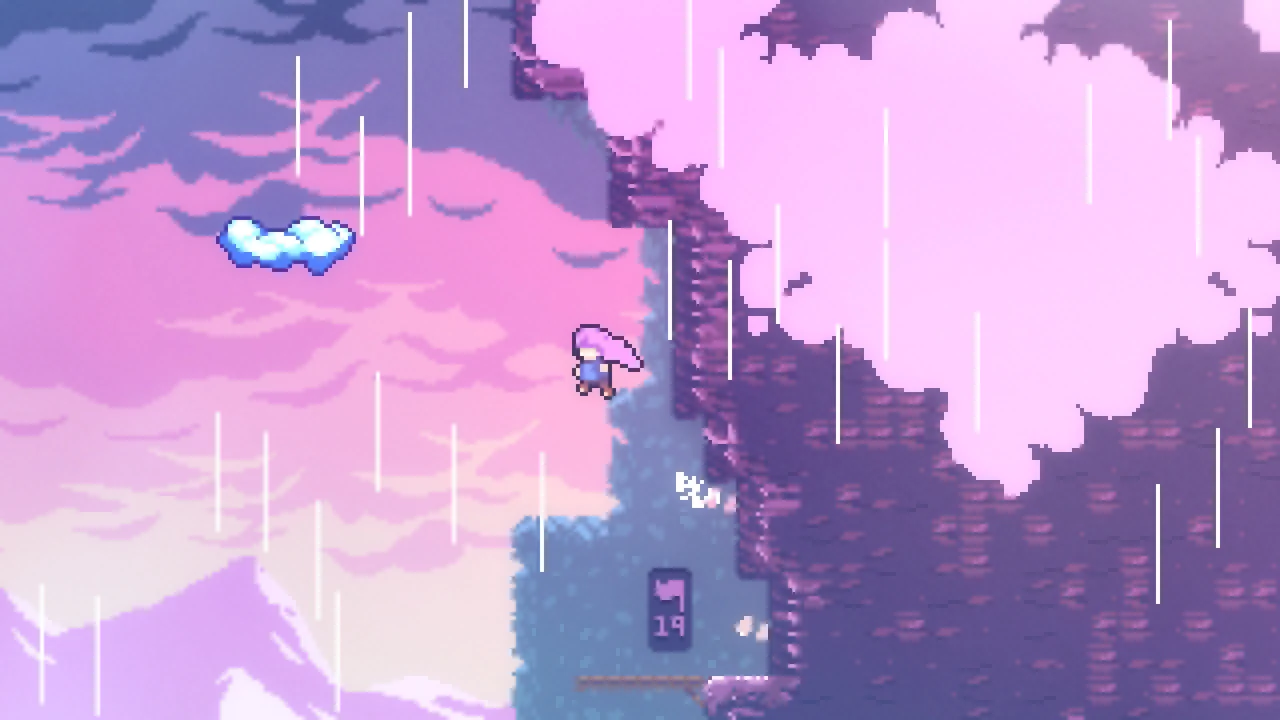
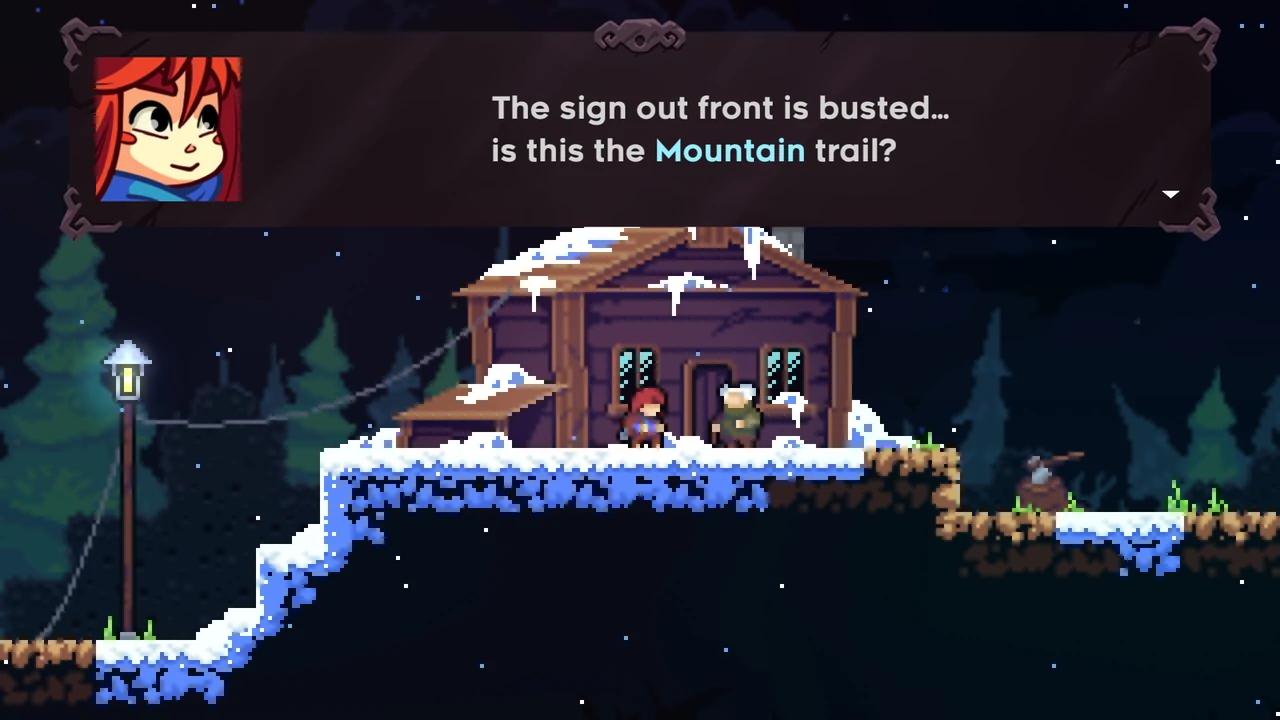
The premise connects Madeline's climb to a story of self-discovery, giving the physical challenge a personal context. Pixel artwork, expressive characters and a clearly credited musical identity support that relationship without turning every difficult screen into a lengthy interruption. The presentation works through the way it fits the focused movement design. Its themes and challenges can be considered independently. A reader may be drawn to the character journey but dislike precision platforming, or enjoy the movement while responding differently to the narrative. Both are reasonable preferences. The abandoned city, Celestial Resort and windy mountain routes each frame the same movement vocabulary differently. Strawberry detours introduce an additional temptation: the obvious exit may be close, while a small optional challenge encourages one more careful attempt.
Best when improvement is its own reward
Celeste is a strong recommendation for someone who enjoys noticing measurable improvement in their own execution. Optional challenges provide clear reasons to return, but the appeal begins with the basic satisfaction of understanding one screen more clearly than on the previous attempt. Returning works best when experimenting with familiar tools remains enjoyable. The Messenger offers a useful alternative when platforming appeals but a wider exploration map and changing adventure structure are also important. Choose Celeste for concentrated movement problems and a clear climb through them. It is less about collecting a powerful build that removes the challenge than about using a familiar set of actions with increasing confidence and intention. Choose this when precise movement, rather than combat, is the skill you want to develop.
The verdict
Choose Celeste for precise climbing and dash challenges, a focused story and extensive optional platforming tests. Choose this when precise movement, rather than combat, is the skill you want to develop.
Reasons to play
- A focused movement system supports varied challenges
- Assist options are available by the developer
- Optional levels extend the challenge beyond the main story
Reasons to think twice
- Repeated failure is part of learning the levels
- Optional completion takes much longer than the main story
- Not a choice for players who dislike precise movement inputs
See the game
Assist & accessibility
Explore the available settings and control options on the official game page before choosing your setup.
Parents’ guide
Players: Single-player. No in-game purchase marker in the checked Steam listing. Separate downloadable content may be sold.
Age classification: 7. Nintendo Switch edition; not a separate PC classification
A useful starting tip
Work out the intended sequence of jumps, dashes and rests in a difficult screen before trying to execute it faster.
A different direction
Compare this with Cuphead: Choose Cuphead for distinctive hand-drawn animation and demanding boss encounters that reward repeated practice. Boss patterns are the main curriculum, so choose it when repeated practice is the attraction.
Official sources
Reviewed: November 2026
You might also like
 Sekiro: Shadows Die Twice - GOTY EditionRead review →
 HadesRead review →
 Hollow KnightRead review →