FIELD REVIEW / Action adventure
Sekiro: Shadows Die Twice - GOTY Edition
A demanding action game whose posture system makes deflection, pressure and enemy knowledge more important than collecting better equipment. Posture pressure rewards staying engaged with an opponent instead of relying on a larger equipment collection.
Game facts
- Developer
- FromSoftware, Inc.
- Publisher
- Activision (Excluding Japan and Asia), FromSoftware, Inc. (Japan), 方块游戏 (Asia)
- Released
- 22 March 2019
- Platforms
- Windows (Steam edition)
- Model
- Paid game
- PEGI
- 18 · Violence — Steam UK listing
- Players
- Single-player
- Length
- Long
- Difficulty
- 5 / 5 · High challenge
- Steam Deck
- Verified
PEGI source ↗ · Steam Deck status source ↗
Edition: Base game
The score, explained
The interest and responsiveness of the core decisions and actions.
How progression, exploration and goals fit together.
The coherence of the visual, musical and narrative presentation.
How clearly the game explains its rules and offers useful ways to engage.
The depth of optional goals, alternative approaches and reasons to return.
The core experience
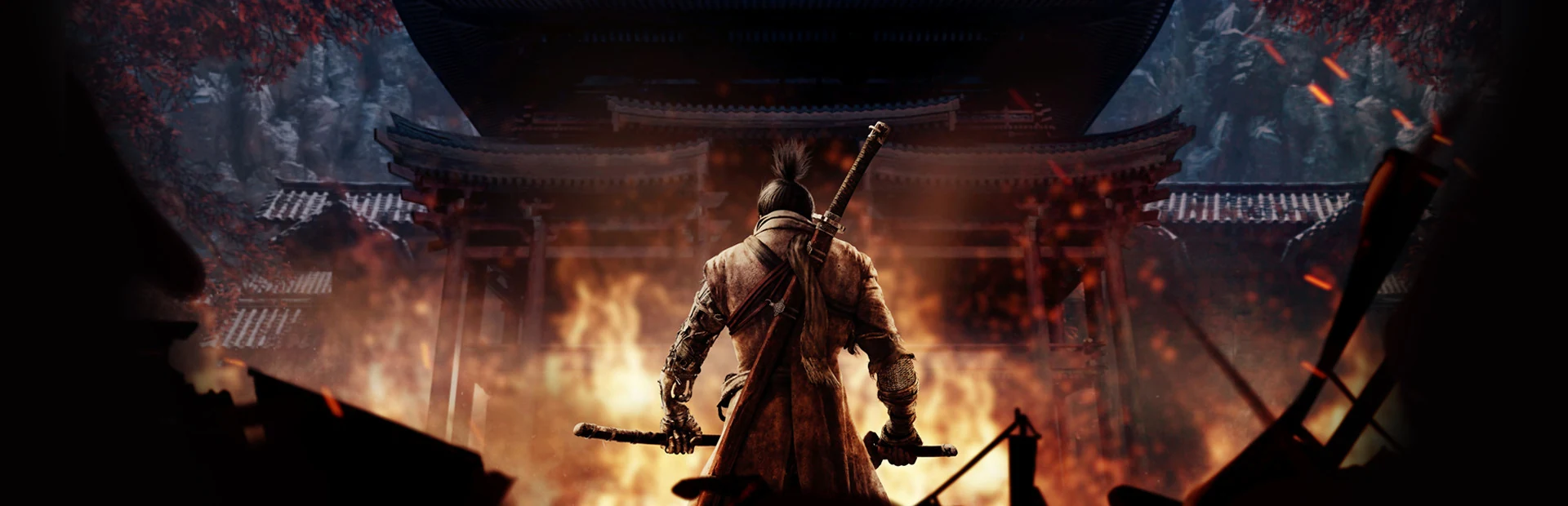
Sekiro places a defined protagonist and a demanding sword-fighting language at the centre of its adventure. As the shinobi Wolf, you move through a version of Sengoku-era Japan where political struggle and supernatural threats overlap. The grappling hook gives exploration a vertical rhythm, while stealth offers ways to approach a dangerous space before open combat begins. Unlike a broad character-building RPG, it asks you to become more fluent in a focused set of actions. That distinction is essential to understanding its appeal. The story supplies purpose and atmosphere, but the deeper journey is learning to hold your ground. Our review values the confidence with which the game organises its spaces and encounters around that unusually concentrated idea of mastery.
Where it excels
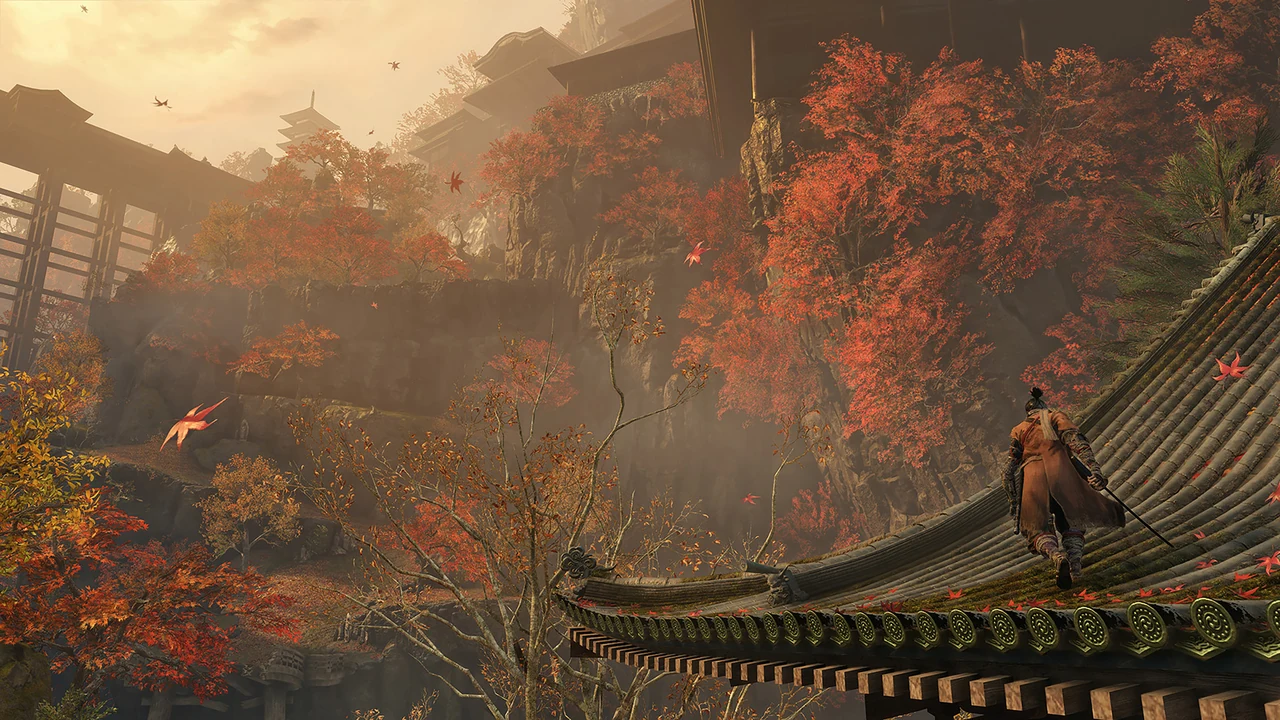
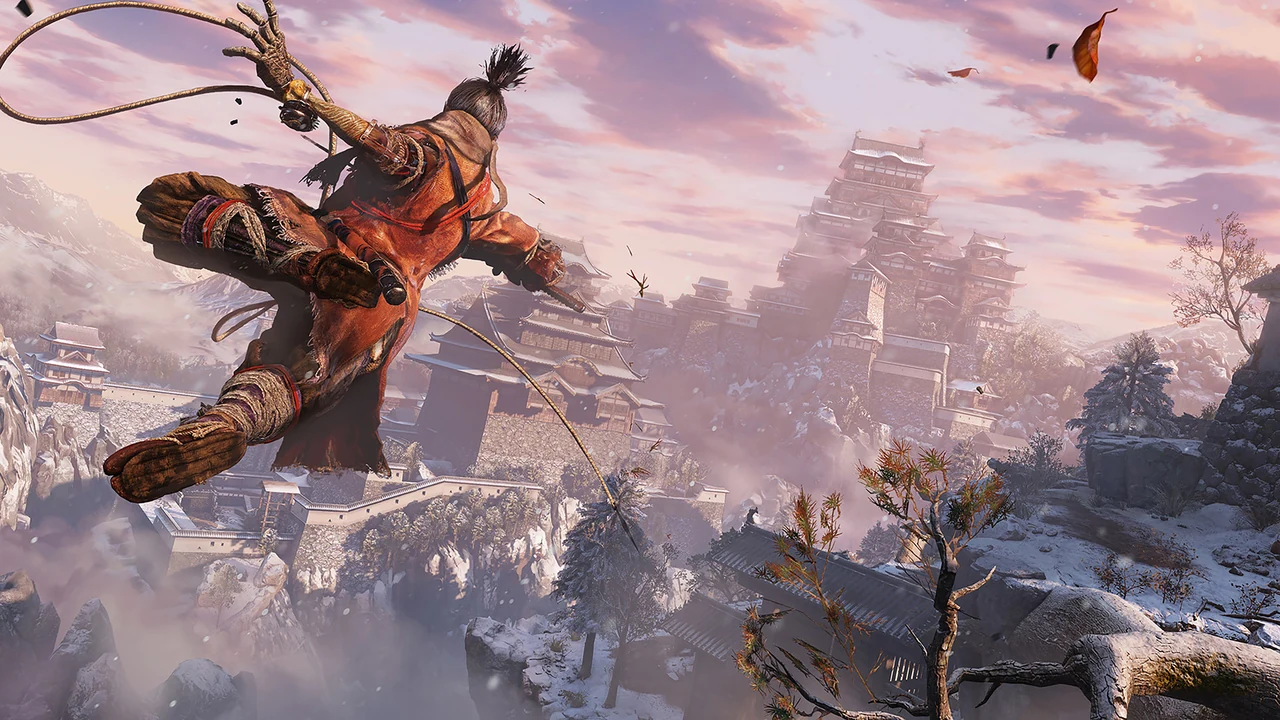
Deflection gives combat a clarity that few sprawling adventures sustain. An enemy's attack can become your opportunity to apply pressure, so defence feels active rather than merely protective. The sound and timing of blade contact make improvement tangible. Traversal complements that precision: rooftops, ledges and elevated routes allow you to assess a situation and separate threats before committing. The prosthetic tools add tactical variation without replacing the need to understand a fight. Its best encounters turn earlier lessons into a coherent conversation between movement, timing and nerve. We particularly value how little distance there is between recognising a mistake and knowing what to practise next. Success can feel earned through understanding rather than through finding a stronger piece of equipment elsewhere.
The trade-offs
That concentration also limits the ways to work around a challenge. Players accustomed to changing builds extensively or calling in cooperative help should not expect the same escape routes here. A repeated mistake can stop progress until its timing becomes familiar, and the emotional cost of that repetition varies greatly between players. Camera positioning in confined spaces can make a difficult exchange harder to read. Some narrative information remains indirect, while the progression structure can feel less transparent than the precision of the combat itself. We would not recommend treating completion as a test of personal worth. The game is designed around demanding practice, and choosing a different experience is entirely reasonable when that kind of practice stops being enjoyable or useful.
Who should play it
Sekiro is the strongest choice here for someone who wants a concentrated relationship with a combat system. Warrior and Rogue both fit: direct duels matter, but observation, positioning and stealth often decide how you reach them. Choose it if a small improvement in execution can make a session satisfying even without a major victory. It is less suitable when you want an extensive party, a relaxed power fantasy or many interchangeable character builds. Consider a short practice session with one clear intention, then leave before concentration fades. Elden Ring is our alternative for players who still want formidable encounters but would appreciate more freedom to explore elsewhere, alter their equipment and approach the same obstacle with a substantially different character concept. Posture pressure rewards staying engaged with an opponent instead of relying on a larger equipment collection.
The verdict
A demanding action game whose posture system makes deflection, pressure and enemy knowledge more important than collecting better equipment. Posture pressure rewards staying engaged with an opponent instead of relying on a larger equipment collection.
Reasons to play
- Exceptional precision in deflection and pressure.
- Vertical spaces reinforce the shinobi identity.
- A focused tale with indirect details.
Reasons to think twice
- That concentration also limits the ways to work around a challenge.
- Players accustomed to changing builds extensively or calling in cooperative help should not expect the same escape routes here.
See the game
Assist & accessibility
Explore the available settings and control options on the official game page before choosing your setup.
Parents’ guide
Players: Single-player. No in-game purchase marker in the checked Steam listing. Separate downloadable content may be sold.
Age classification: 18. Violence Steam UK listing
A useful starting tip
Listen to the rhythm of successful deflections and practise staying calm before trying to add more attacks.
A different direction
Compare this with Hyper Light Drifter: A visually forceful adventure for players comfortable with demanding fights and unexplained discoveries. Fast movement and limited explanation make this a good match for players comfortable learning through observation.
Official sources
Reviewed: November 2026
You might also like
 HadesRead review →
 CelesteRead review →
 Hollow KnightRead review →