FIELD REVIEW / Martial-arts action
Sifu
A demanding combat study where better technique changes how far a life can take you. The ageing system gives cleaner execution a consequence beyond the result of the current fight.

Game facts
- Developer
- Sloclap
- Publisher
- Sloclap, Kepler Interactive
- Released
- 28 March 2023
- Platforms
- Windows (Steam edition)
- Model
- Paid game
- PEGI
- 16 · Bad Language, Violence — Steam UK listing
- Players
- Single-player
- Length
- Short
- Difficulty
- 5 / 5 · Demanding
- Steam Deck
- Verified
PEGI source ↗ · Steam Deck status source ↗
Edition: Base game
The score, explained
The interest and responsiveness of the core decisions and actions.
How progression, exploration and goals fit together.
The coherence of the visual, musical and narrative presentation.
How clearly the game explains its rules and offers useful ways to engage.
The depth of optional goals, alternative approaches and reasons to return.
Technique is the main progression
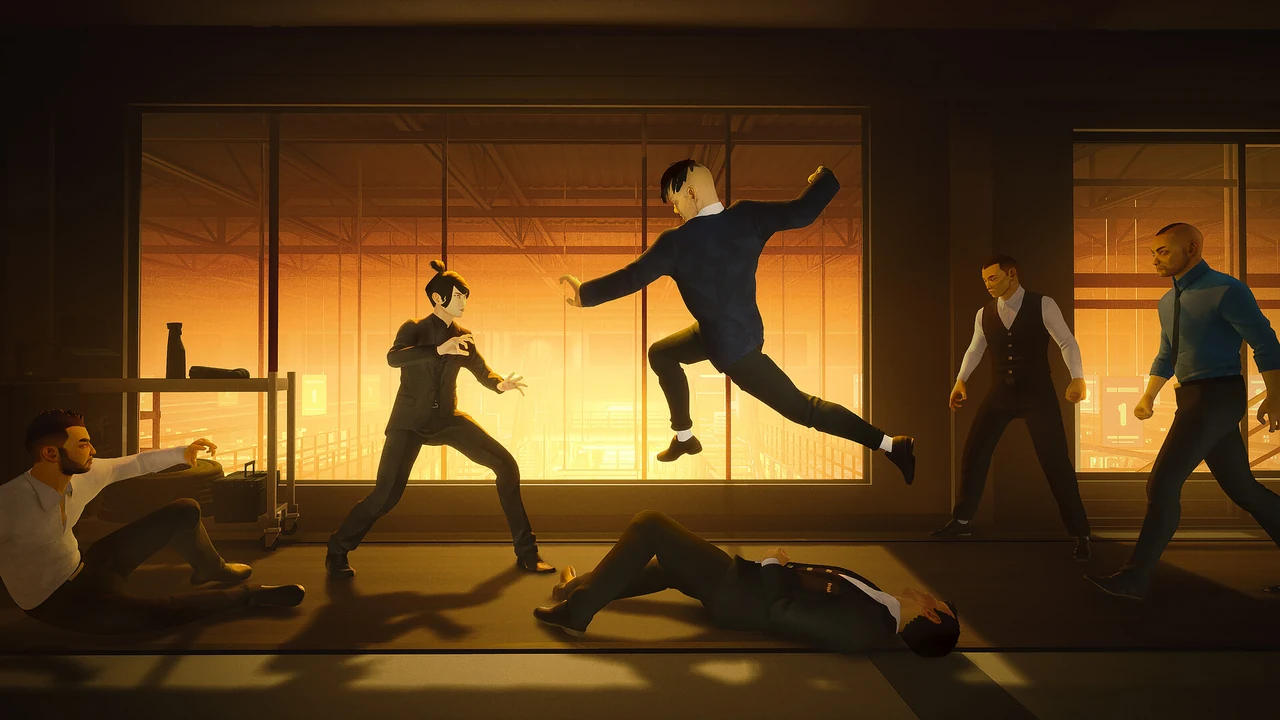
Sifu centres on close combat in which dodging, parrying, striking and positioning all matter. The game emphasises that enemies do not politely wait their turn, making the space around the fighter as important as the move currently being performed. Objects, ledges and makeshift weapons create additional options. Our core-play assessment rewards that clear commitment to learning a combat system rather than relying only on increasingly large damage values. The recommendation is correspondingly specific. Players should want to practise, observe mistakes and repeat encounters with a different approach. Someone primarily seeking a relaxed narrative journey may find that the action demands too much attention, regardless of how appealing the martial-arts premise or visual style seems.
Age makes a setback part of the plan
The protagonist's ability to return after death comes with ageing, giving failed attempts a consequence that is central to the premise. Learning from an encounter therefore matters not just for reaching its end, but for improving the condition in which the wider journey continues. The game also describes unlockable skills and the Arenas expansion, which adds focused challenges and different modes. We value that structure because it provides several ways to revisit the same core fighting ideas. Its limitation is that progress depends heavily on being willing to return. Repetition is not merely optional extra content here; it is part of how the game's emphasis on mastery is expressed, and prospective players should decide whether that sounds motivating.
Spaces designed around the fight
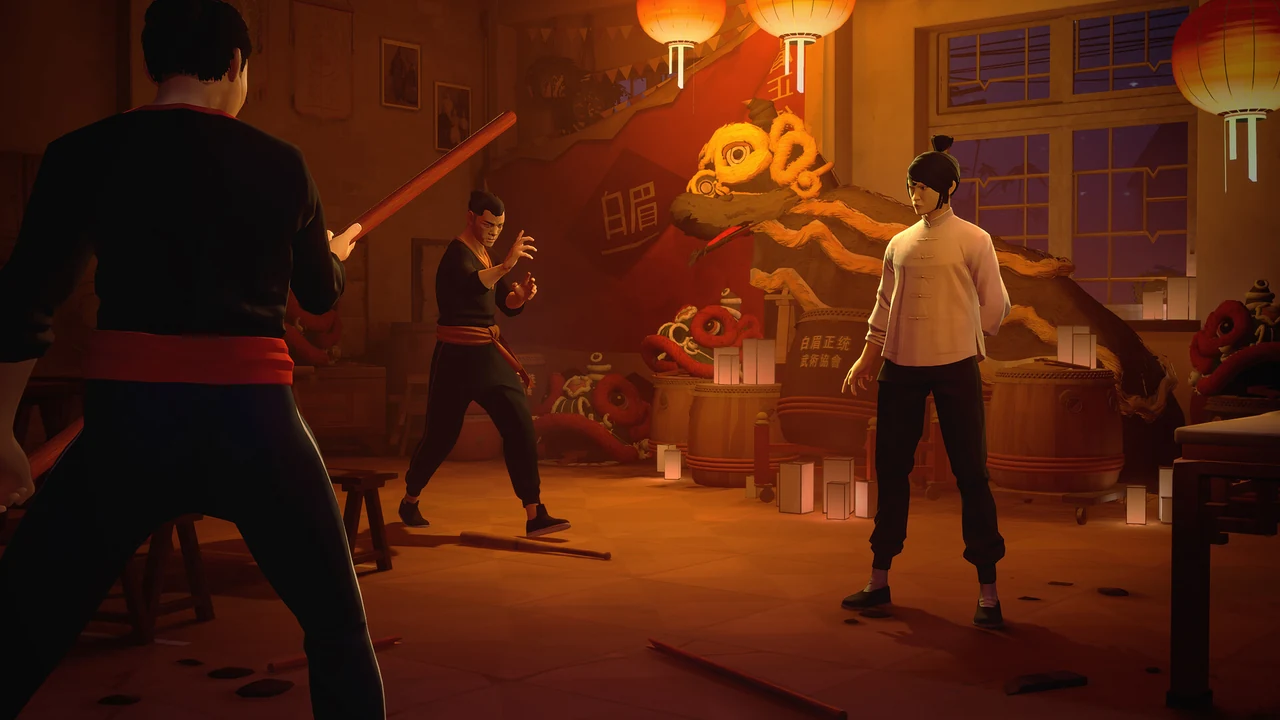
Sifu's environments range from the nightclub to galleries and office spaces, giving combat different shapes and opportunities. A room matters because of how opponents can surround the player and which objects can be used, rather than simply providing another attractive backdrop. Narrow passages, open floors and changes of elevation alter the decisions made during a fight. That connection between choreography and location gives the presentation a practical purpose. The busier encounters still demand careful attention: an appealing animation does not make an unseen attacker harmless. Players who enjoy learning a space alongside a move set have a particularly strong reason to appreciate this approach. The Club's dance floor and the Museum's exhibition spaces make each confrontation feel staged within a distinctive environment.
Choose it when practice is the attraction
Sifu makes the strongest recommendation when improving an encounter is more satisfying than merely seeing a new one. The available combat options and Arena challenges give a clear reason to revisit technique, supporting a high return score. That does not mean every player will enjoy the same amount of practice or the consequences of ageing. Furi is a useful comparison for someone who wants demanding action but prefers reading one major opponent at a time. Sifu instead asks the player to manage people, space and opportunities together. Choose it when the prospect of making a familiar fight cleaner and more controlled sounds like meaningful progress. Its appeal rests on how you play the encounter, not simply on whether the next location has unlocked. The ageing system gives cleaner execution a consequence beyond the result of the current fight.
The verdict
A demanding combat study where better technique changes how far a life can take you. The ageing system gives cleaner execution a consequence beyond the result of the current fight.
Reasons to play
- Positioning and environmental use expand the combat decisions
- Ageing gives failure a distinctive consequence
- Arena challenges provide focused opportunities to refine technique
Reasons to think twice
- Practice and repeated encounters are central
- Several threats at once demand sustained attention
See the game
Assist & accessibility
Explore the available settings and control options on the official game page before choosing your setup.
Parents’ guide
Players: Single-player. No in-game purchase marker in the checked Steam listing. Separate downloadable content may be sold.
Age classification: 16. Bad Language · Violence Steam UK listing
A useful starting tip
Use position and nearby objects to avoid being surrounded before trying to lengthen a combo.
A different direction
Compare this with Furi: A concentrated sequence of duels for players who want to understand a fight and execute it better. Its duel-led structure is the most direct option here for concentrating on an individual opponent.
Official sources
Reviewed: November 2026
You might also like
 Sekiro: Shadows Die Twice - GOTY EditionRead review →
 HadesRead review →
 CelesteRead review →